

Electric vehicles (EVs) are becoming increasingly popular as concerns over climate change and fuel costs grow. However, the adoption of EVs depends heavily on the availability of charging infrastructure. Without accessible and reliable chargers, drivers may hesitate to make the switch. Expanding charging networks plays a critical role in encouraging more people to embrace electric mobility.
The Role of Charging Infrastructure
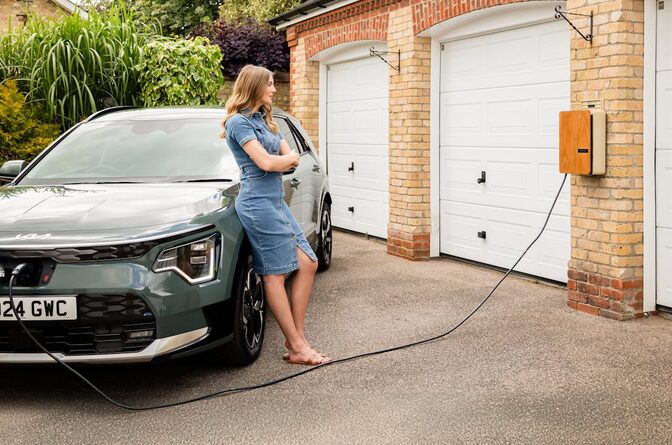
Charging infrastructure determines how convenient it is to own and operate an EV. Drivers need assurance that they can recharge their vehicles at home, work, and public locations. Insufficient infrastructure contributes to range anxiety, making potential buyers hesitant. A well-developed network ensures that EVs are practical for daily use and long-distance travel.
Home Charging Options
Home charging is one of the most convenient ways to keep an EV powered. Installing a Level 2 charger allows overnight charging, ensuring a full battery each morning. Home charging gives drivers control and reduces dependence on public stations. By making home charging easy and reliable, more people are likely to consider switching to EVs.
Public Charging Networks
Public chargers are expanding rapidly in cities, on highways, and in suburban areas. Fast-charging stations located in strategic spots like shopping centers and service areas allow drivers to recharge quickly during trips. A widespread public network provides peace of mind and reduces the risk of running out of battery. Accessible public charging encourages drivers who do not have home chargers to adopt EVs.
Workplace Charging Initiatives

Workplace charging is becoming a key incentive for EV adoption. Employees can recharge their vehicles while at work, complementing home charging. This convenience encourages sustainable commuting and makes EV ownership more appealing. Companies offering workplace chargers show environmental responsibility while supporting practical solutions for employees.
Technological Innovations in Charging
Charging technology has improved significantly in recent years. Fast chargers now replenish batteries in as little as 20 to 30 minutes. Smart charging systems optimize energy use and can integrate with renewable power sources. These advancements reduce downtime and make EVs more convenient for everyday use. Technology ensures that charging is faster, safer, and more efficient.
Government Support and Policies
Government policies play a significant role in building charging infrastructure. Subsidies, grants, and tax incentives help companies install chargers at homes, workplaces, and public locations. Standardized connectors and unified payment systems make charging easier for all users. Policy support ensures that infrastructure grows alongside the rising number of electric vehicles on the road.
Reduced Range Anxiety

Range anxiety, or the fear of running out of battery power, is a major barrier to EV adoption. A robust charging network alleviates this concern by providing accessible options for recharging anywhere. With strategic placement of fast chargers along highways and in urban areas, drivers feel confident about taking longer trips. Reducing range anxiety makes EVs a more viable option for a wider audience.
Future Outlook for EV Adoption
The expansion of charging infrastructure is reshaping the future of electric vehicles. Continued investment in public, workplace, and home chargers will make EV ownership more practical. Integration with renewable energy, grid management, and faster charging technology will further enhance adoption. As infrastructure improves, EVs are likely to become the standard choice for environmentally conscious drivers and those seeking cost-effective transportation.
Charging infrastructure is a key factor in the widespread adoption of electric vehicles. Home, public, and workplace charging solutions, combined with technological advancements, make EV ownership practical and convenient. Government policies and incentives further support infrastructure development. By reducing range anxiety and ensuring reliable access to power, charging networks are transforming the EV landscape. Expanding and improving these networks creates a unique opportunity for more drivers to make the switch to cleaner, sustainable transportation.