

How Charging Infrastructure Is Changing Electric Vehicle Adoption
Electric vehicles (EVs) are becoming increasingly popular as concerns over climate change and fuel costs grow. However, the adoption of EVs depends heavily on the availability of charging infrastructure. Without accessible and reliable chargers, drivers may hesitate to make the switch. Expanding charging networks plays a critical role in encouraging more people to embrace electric mobility.
The Role of Charging Infrastructure
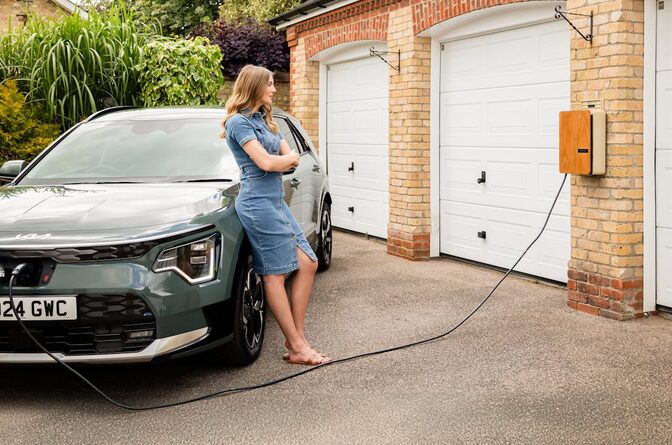
Charging infrastructure determines how convenient it is to own and operate an EV. Drivers need assurance that they can recharge their vehicles at home, work, and public locations. Insufficient infrastructure contributes to range anxiety, making potential buyers hesitant. A well-developed network ensures that EVs are practical for daily use and long-distance travel.
Home Charging Options
Home charging is one of the most convenient ways to keep an EV powered. Installing a Level 2 charger allows overnight charging, ensuring a full battery each morning. Home charging gives drivers control and reduces dependence on public stations. By making home charging easy and reliable, more people are likely to consider switching to EVs.
Public Charging Networks
Public chargers are expanding rapidly in cities, on highways, and in suburban areas. Fast-charging stations located in strategic spots like shopping centers and service areas allow drivers to recharge quickly during trips. A widespread public network provides peace of mind and reduces the risk of running out of battery. Accessible public charging encourages drivers who do not have home chargers to adopt EVs.
Workplace Charging Initiatives
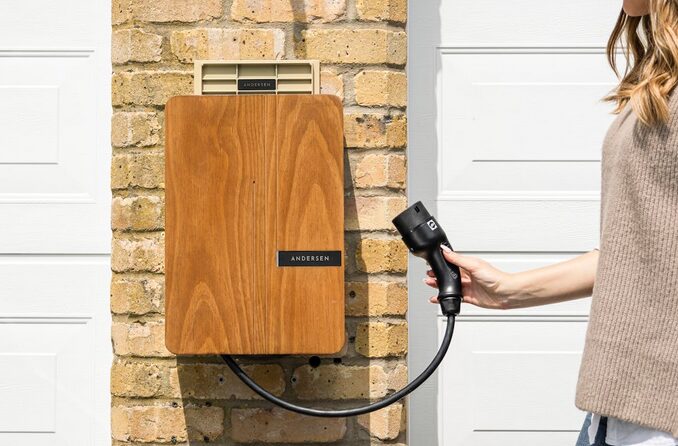
Workplace charging is becoming a key incentive for EV adoption. Employees can recharge their vehicles while at work, complementing home charging. This convenience encourages sustainable commuting and makes EV ownership more appealing. Companies offering workplace chargers show environmental responsibility while supporting practical solutions for employees.
Technological Innovations in Charging
Charging technology has improved significantly in recent years. Fast chargers now replenish batteries in as little as 20 to 30 minutes. Smart charging systems optimize energy use and can integrate with renewable power sources. These advancements reduce downtime and make EVs more convenient for everyday use. Technology ensures that charging is faster, safer, and more efficient.
Government Support and Policies
Government policies play a significant role in building charging infrastructure. Subsidies, grants, and tax incentives help companies install chargers at homes, workplaces, and public locations. Standardized connectors and unified payment systems make charging easier for all users. Policy support ensures that infrastructure grows alongside the rising number of electric vehicles on the road.
Reduced Range Anxiety

Range anxiety, or the fear of running out of battery power, is a major barrier to EV adoption. A robust charging network alleviates this concern by providing accessible options for recharging anywhere. With strategic placement of fast chargers along highways and in urban areas, drivers feel confident about taking longer trips. Reducing range anxiety makes EVs a more viable option for a wider audience.
Future Outlook for EV Adoption
The expansion of charging infrastructure is reshaping the future of electric vehicles. Continued investment in public, workplace, and home chargers will make EV ownership more practical. Integration with renewable energy, grid management, and faster charging technology will further enhance adoption. As infrastructure improves, EVs are likely to become the standard choice for environmentally conscious drivers and those seeking cost-effective transportation.
Charging infrastructure is a key factor in the widespread adoption of electric vehicles. Home, public, and workplace charging solutions, combined with technological advancements, make EV ownership practical and convenient. Government policies and incentives further support infrastructure development. By reducing range anxiety and ensuring reliable access to power, charging networks are transforming the EV landscape. Expanding and improving these networks creates a unique opportunity for more drivers to make the switch to cleaner, sustainable transportation.…
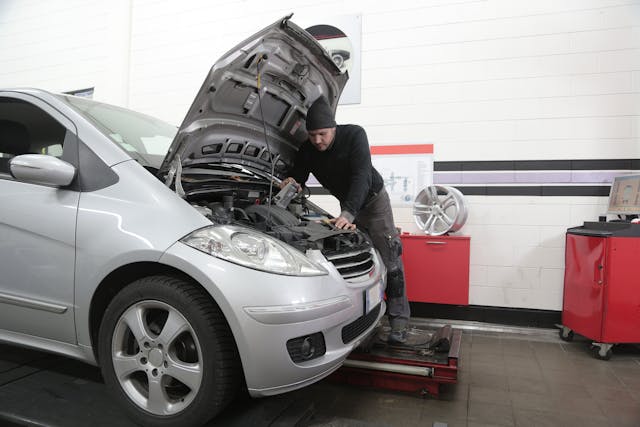
 Exterior wash and deep cleaning are where it all begins. This isn’t your average car wash; it’s a meticulous process that sets the tone for everything else. Professionals use high-quality, pH-balanced soaps specifically designed to lift dirt and grime without damaging your vehicle’s finish. Each section of your car gets individual attention, from the roof down to the undercarriage. Hand washing is preferred over automated systems because it minimizes scratches and swirl marks. Soft microfiber mitts gently glide across surfaces, ensuring every inch receives care. Rinsing comes next with a powerful yet safe water source that eliminates soap residue completely.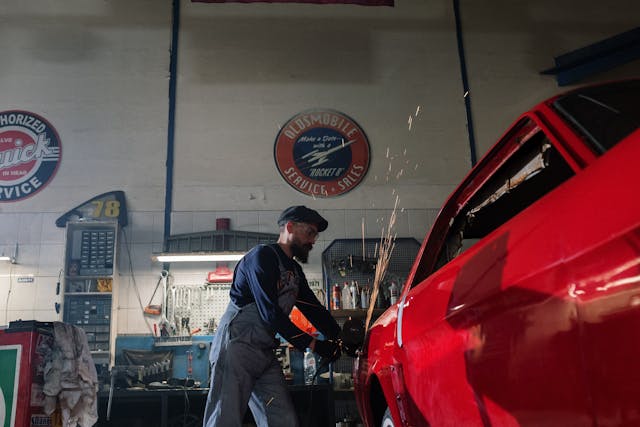
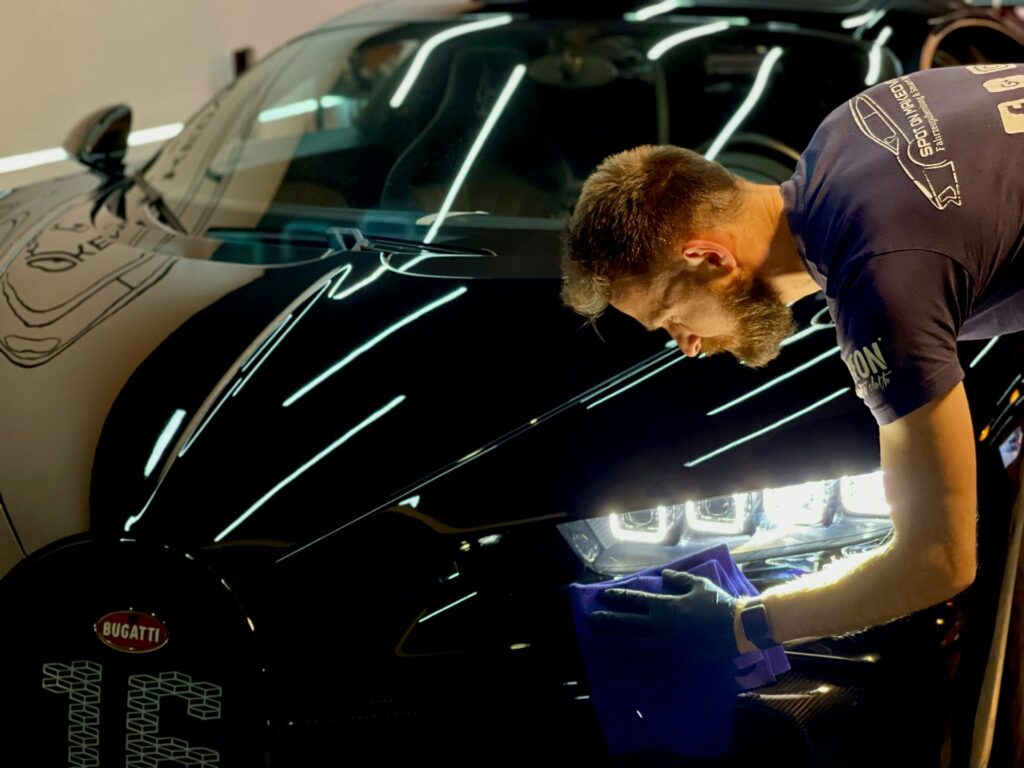
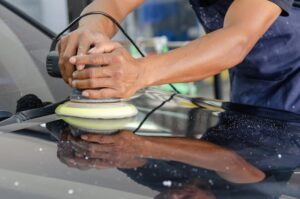 When searching for a local car detailer, prioritize professionals with extensive experience and expertise in automotive detailing. Look for detailers who have undergone specialized training and certification programs and have a proven track record of delivering high-quality results. Auto detailing service providers who are experienced possess the knowledge, skills, and attention to detail required to effectively clean, polish, and protect your vehicle’s exterior and interior surfaces, ensuring exceptional results that exceed your expectations.


 Don’t forget about the tires and wheels when getting your car ready for a car show. These components play a crucial role in the overall look of your vehicle. Start by checking the tire pressure to ensure they are properly inflated. Properly inflated tires look better and improve fuel efficiency and safety on the road. Next, inspect the tread depth to make sure it meets safety standards. Worn-out tires can affect your car’s performance and grip on the road, so consider replacing them if necessary. Remember that attention to detail is critical when preparing for a car show. Take the time to clean every nook and cranny of your vehicle inside and out. Address any necessary repairs or upgrades to make sure everything is in top condition.
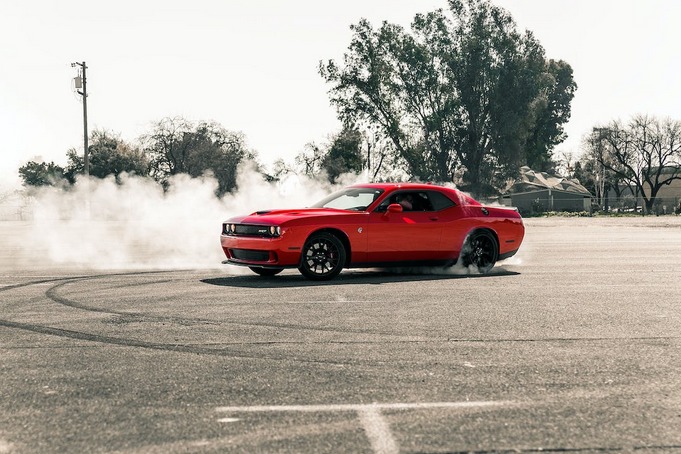 The driving you’ll be doing is also necessary to consider when selecting tires for your car. Are you mostly driving on highways and roads, or will you be off-roading in more rugged terrain? If you plan to do a lot of off-roading, invest in more durable tires that can handle the terrain.
 Once you’ve narrowed down a few potential tire selections, you must consider the tire ratings. The Tire and Rim Association (TRA) provides a variety of performance indicators that you can use to compare different tires. These include rolling resistance, traction, temperature resistance, and more.

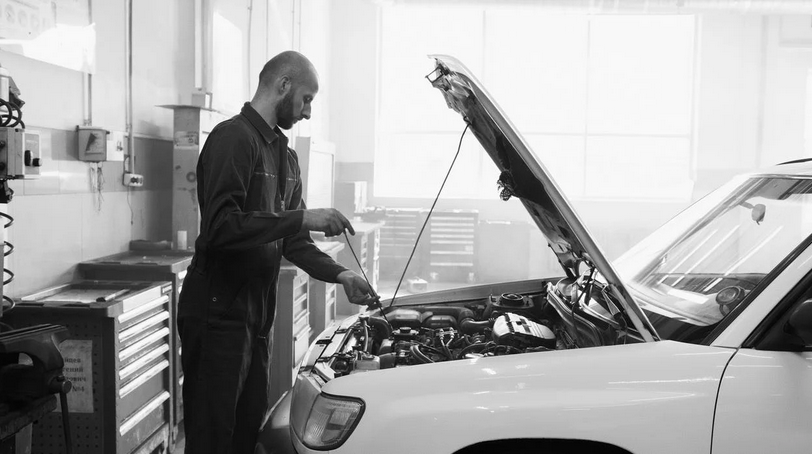
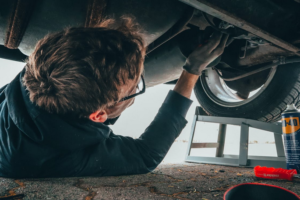 One of the most important preventive measures that you can take to avoid car accidents is to check your brakes regularly. Your brakes are what allow you to stop your car, so it’s important to make sure they are in good working condition.
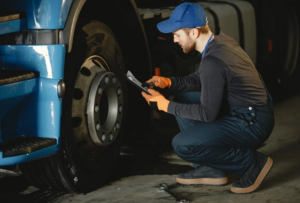 Another important preventive measure to take is to check your tires regularly. Your tires keep your car in contact with the road, so it’s important to ensure they are in good condition. You should check your tire pressure at least once a month and have your tires rotated every few months.
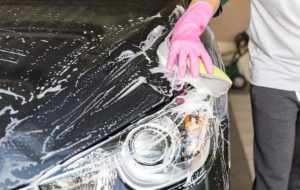 If you want to keep your car looking great and prevent it from rusting, then you should wash it regularly. You don’t have to do this every time that you drive; make sure that the dirt hasn’t been on the car for too long. If there is a lot of dirt or mud, then go ahead and wash. This is how many car washes can remove this type of filth. Do you want to save money and do it yourself? If so, then try out a self-wash! All you need is your car keys, soap, water hoses or buckets, towels for drying off the vehicle afterward. Don’t forget to wear gloves so that the soap doesn’t dry out your skin! You will want to start by wetting down your car with water and then spraying it off with the hose nozzle. Make sure not to damage any paint, as this is how rust starts.
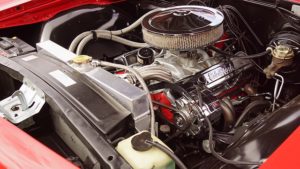 If you’ve been driving around with dirty air filters, then it’s time to change them! These are usually located under the hood of your car. If not, check out where they may be in your user manual, or ask a professional at an auto parts store or dealership for assistance! Some cars will even tell you when these need changed. You can also check your car manual or user guide for the recommended mileage to change. Make it a habit to always check your filters.
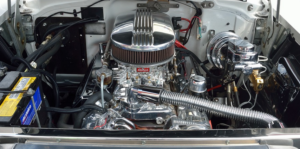 It will only be right to consider the type of auto parts a retailer sells. Each car owner may be looking for auto parts that may not be the same; this is because different drivers face car problems that are likely to be different. Car parts retailers sell numerous parts, but some may lack the spare parts you are looking for.
 The second essential factor that will help you get the right car parts retailer is the money you are willing to spend. Some retailers set high prices for the parts they sell, while others may be relatively cheap. Factors like the quality of the parts sold will be essential in determining how a retailer prices the parts they sell.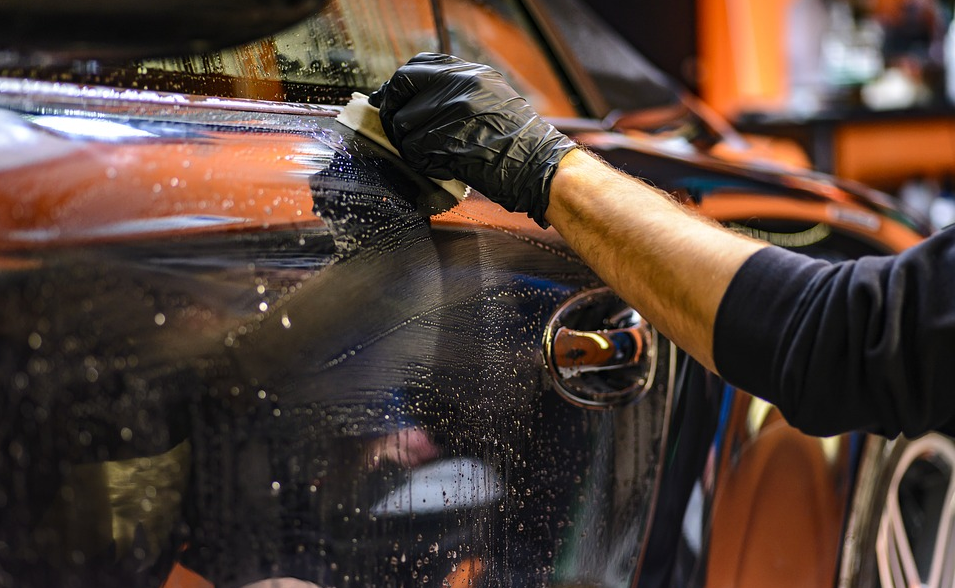
 When people peep through the windows of your car, the first thing that catches their eye is your seats. They will be looking at the design, color, materials and many other factors. Indeed, you cannot enjoy riding a car when you barely like the seats.
 Carpets also contribute to the inner appearance of a car. Apart from covering and protecting floors, they provide a comfortable stepping for your feet. When they are the right color, they will give you a better theme.
 One of the reasons why you need car mats in your car is because you want to ensure that dirt and moisture are trapped. This, however, is not always the case because some mats like the capacity to perform that task perfectly. If the mats cannot help you do away with dirt and moisture, then you do not need buy them.